

If you’re sourcing materials for protective apparel, upholstery, or any application where safety is non-negotiable, you’ve likely asked a crucial question: what truly sets inherent and treated flame-resistant fabrics apart? As a specialist in this field, I understand the confusion. Choosing the wrong Polyester Flame Retardant Yarn can lead to compliance issues, reduced product lifespan, and even safety risks. At LIDA, we believe clarity is the first step to making an informed, confident decision. This blog will cut through the technical jargon and explain the core differences, helping you identify which solution aligns with your specific performance and budgetary needs.
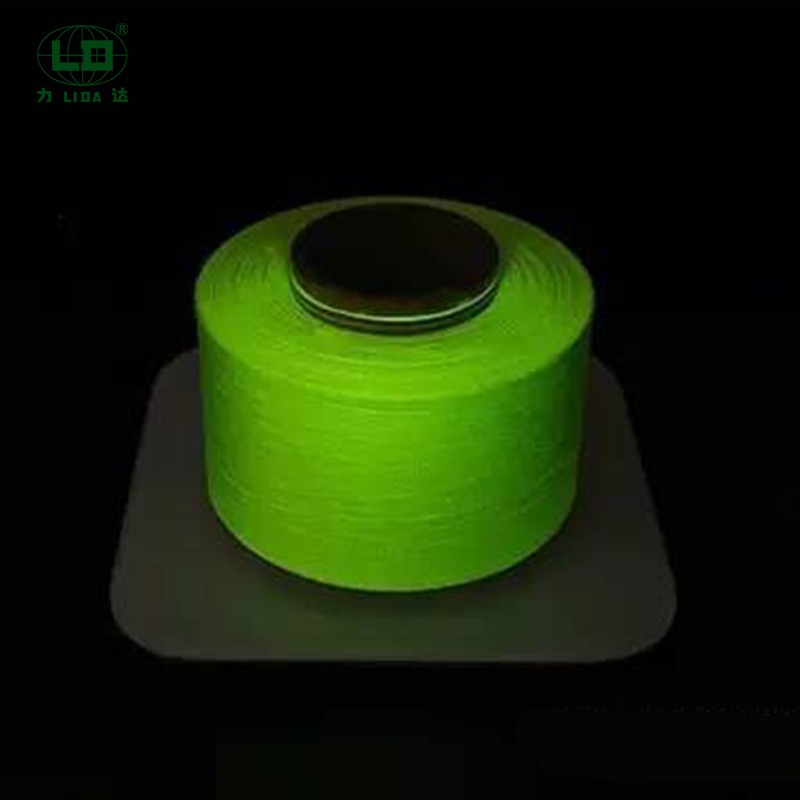
What Is Inherent FR Polyester Yarn and How Does It Work
What makes a yarn inherently flame-resistant? Unlike a surface coating, the flame-retardant properties are built directly into the molecular structure of the polymer. This is achieved by integrating FR agents during the polymerization process. Think of it as a genetic trait; the protection is permanent and uniform throughout every single fiber. This means the Polyester Flame Retardant Yarn will not lose its protective qualities with washing, wear, or exposure to sunlight. For projects demanding lifelong, reliable safety without compromise, inherent FR is the benchmark. LIDA's inherent FR yarns are engineered for this very purpose, offering consistent performance you can trust.
What Are the Limitations of Treated FR Polyester Yarn
So, where does treated FR yarn fall short? This type involves applying a flame-retardant chemical finish to standard polyester yarn or fabric, typically through a post-production dipping or coating process. While cost-effective upfront, this method has significant trade-offs. The protection resides on the surface, making it vulnerable. The key limitations we often discuss with clients include:
Durability: The FR properties can diminish after repeated industrial launderings.
Aesthetics: Fabrics can feel stiffer, and the finish may alter the hand feel.
Longevity: Exposure to UV light and abrasion can compromise the FR layer over time.
For applications with less rigorous wear or shorter life cycles, treated Polyester Flame Retardant Yarn might be considered, but it's vital to understand these constraints.
Which Key Parameters Should You Compare
How do you make a direct, apples-to-apples comparison? Focusing on technical specifications is the only way. Let’s break down the critical parameters in a clear format.
| Parameter | Inherent FR Polyester Yarn (e.g., LIDA FR) | Treated/Finished FR Polyester Yarn |
|---|---|---|
| FR Durability | Permanent; lasts the life of the fabric | Temporary; diminishes with washing/use |
| Wash Resistance | Excellent (>50+ industrial washes) | Variable (often 10-50 washes) |
| Hand Feel | Soft, natural drape; similar to standard polyester | Can be stiffer, coated feel |
| UV & Abrasion Resistance | High; FR property is internal | Lower; surface finish can degrade |
| Long-Term Cost | Higher initial cost, lower cost over lifecycle | Lower initial cost, potential replacement costs |
This table highlights why, for mission-critical applications, the investment in high-quality inherent Polyester Flame Retardant Yarn is justified. The reliability of LIDA’s inherent FR solutions ensures your end products maintain certification and performance for years.
Why Does Your Application Dictate the Best Choice
Ultimately, which type is right for you? The answer depends entirely on your application’s demands.
Are you manufacturing protective workwear for utilities or firefighters that requires weekly, harsh laundering? Inherent FR is the only suitable choice.
Are you producing decorative curtains for a hotel where stringent wash cycles are less frequent but safety standards must be met? A high-quality treated FR might be evaluated, though inherent offers peace of mind.
We at LIDA have guided countless clients through this decision. By focusing on your specific pain points—be it compliance longevity, total cost of ownership, or fabric aesthetics—we can pinpoint the perfect Polyester Flame Retardant Yarn solution. Our technical team is ready to analyze your needs.
The choice between inherent and treated FR yarn shapes the safety, quality, and value of your final product. Don’t leave it to chance. Contact us today with your project specifications, and let’s discuss how LIDA’s specialized Polyester Flame Retardant Yarn can provide the reliable, long-term protection your brand deserves. Reach out for samples, technical data sheets, or a direct consultation—we’re here to help you build a safer product.


