

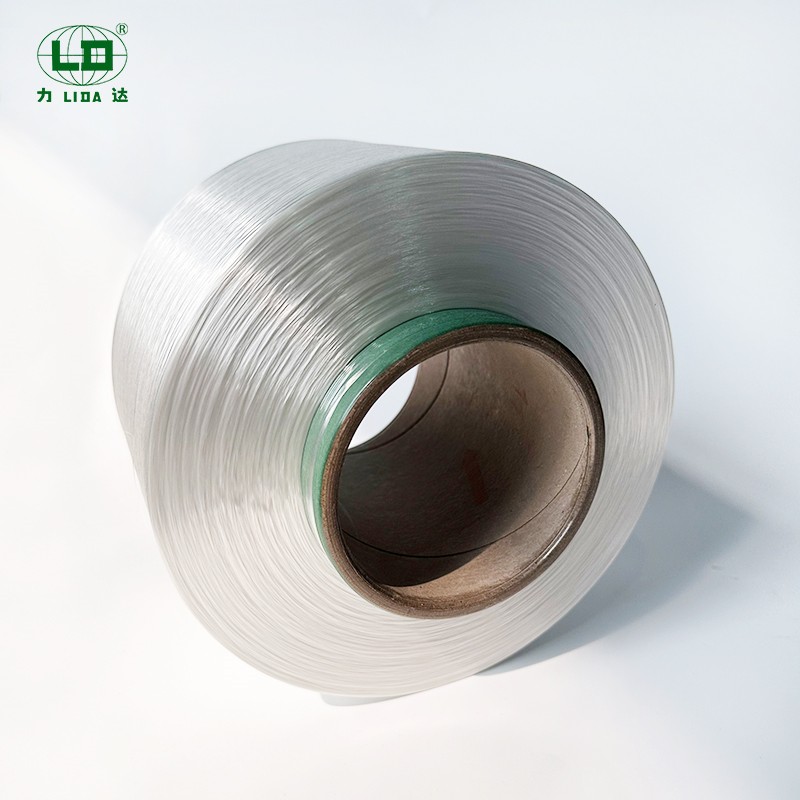
Optical White Polyester Trilobal Shaped Filament is a special shaped filament. Its trilobal cross-section acts like tiny prisms to create unique pearl-like and silk-like luster. With high-purity optical white base, it delivers brilliant and clear color after dyeing. It also features high tenacity, stable dimension, weather resistance and good wash fastness. It is widely adopted in fashion, home textiles, embroidery, automotive interior and technical textile sectors.
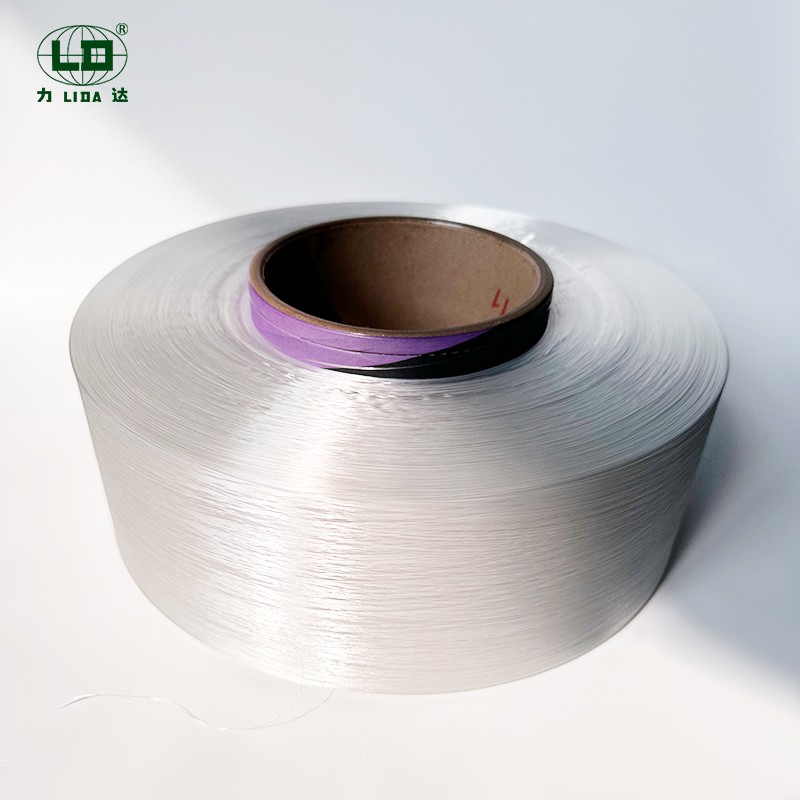
The main molecular chain of nylon 6 contains amide bonds, which are sensitive to ultraviolet radiation. Under outdoor sunlight, UV photons excite amide bond cleavage and trigger chain free-radical reactions, leading to polymer degradation. Macroscopically, fibers show yellowing, reduced breaking strength, decreased elongation at break and gradual embrittlement failure.
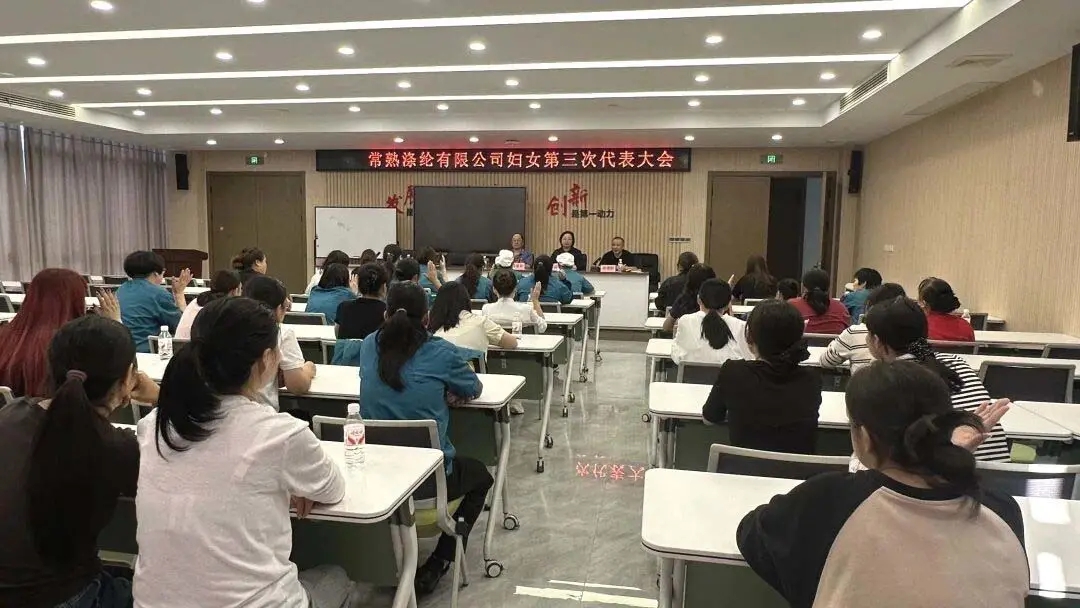
On October 9th, under the guidance and care of the higher-level Women's Federation and the company's party branch, Changshu Polyester Co., Ltd. successfully held a women's representative conference. The meeting strictly followed the established procedures to complete all agenda items and successfully completed the election of the Women's Federation of the company.
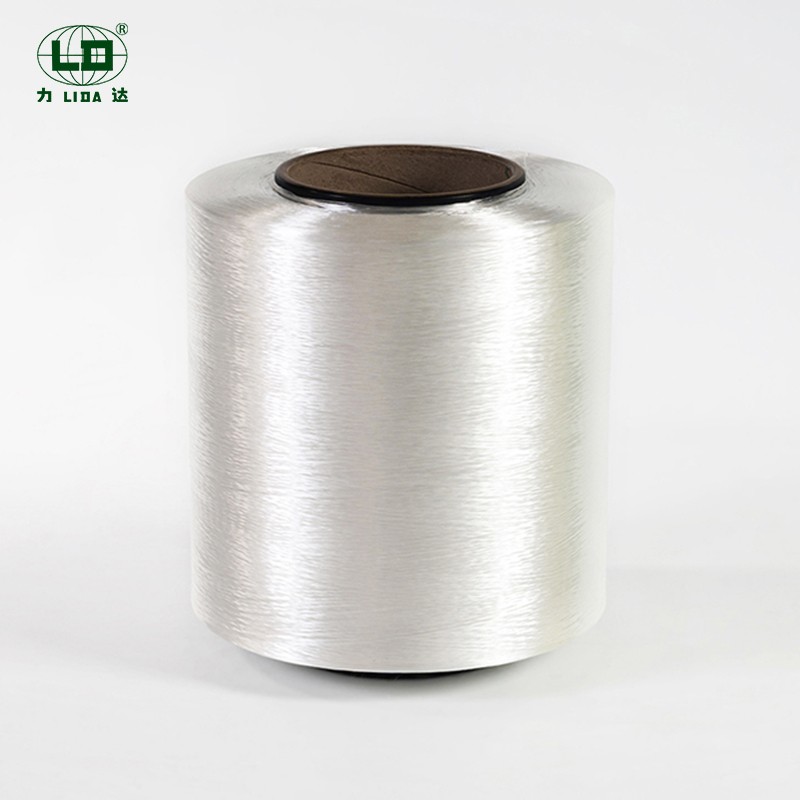
Semi Dull Filament Yarn Nylon 6, is widely used in warp knitting, machine weaving, luggage fabrics, sportswear, underwear, and industrial textiles. Downstream weaving and dyeing factory customers are most concerned about batch stability, breakage rate, and dyeing consistency. A comprehensive factory inspection can reduce complaints such as broken wires, color differences, and inconsistent shrinkage in the subsequent process. Below is a complete introduction to the routine factory inspection items for semi dark filament nylon 6, to assist the purchaser in incoming material acceptance and supplier quality control.
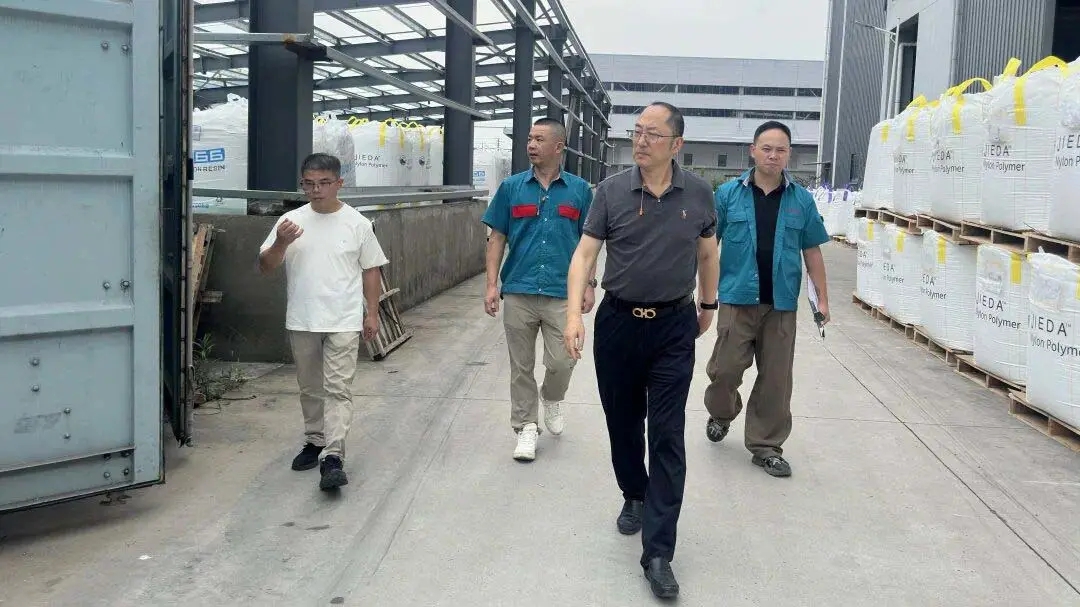
As the Mid Autumn Festival and National Day holidays approach, in order to effectively carry out safety production work during the holiday period and prevent various safety accidents, on September 23, Chairman and General Manager Cheng Jianliang led a team to conduct a special pre holiday safety inspection in the factory area, focusing on key places such as production workshops, storage areas, and fire-fighting facilities. In response to the hidden dangers found during the inspection, the inspection team issued a rectification notice, clarified the rectification measures and completion time limit, implemented closed-loop management, and built a strong holiday safety defense line.
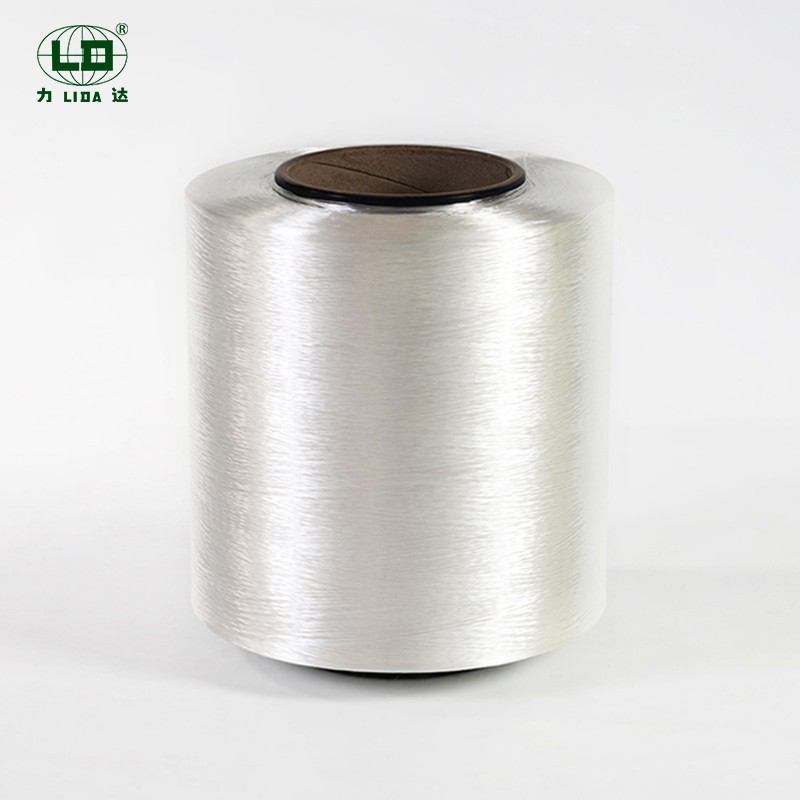
High Tenacity Semi Dull Nylon 66 Filament Yarn is a high-performance polyamide fully drawn filament (FDY). Titanium dioxide matting agent is added during the spinning stage, combined with high stretch technology, while achieving three core characteristics: ultra-high breaking strength, soft matte appearance, and excellent wear and heat resistance. It is a core raw material for industrial textiles, outdoor equipment, automotive textiles, high-end woven belts, and sewing threads. Compared with ordinary bright nylon 66 and nylon 6 filament, it balances mechanical properties and low-key texture, solving the pain points of bright light filament glare and rough appearance of ordinary industrial filament. It is widely purchased by weaving factories, ribbon factories, and composite material manufacturers worldwide.


