

Filament Yarn Nylon 6 is one of the most versatile synthetic yarn materials used in modern textile and industrial applications. Known for its high strength, elasticity, abrasion resistance, and excellent dyeability, Nylon 6 filament yarn plays a critical role in industries ranging from apparel and home textiles to automotive, industrial fabrics, and technical textiles.
In this in-depth guide, we explore what Filament Yarn Nylon 6 is, how it is manufactured, its key properties, major applications, and why it has become a preferred choice for global manufacturers.
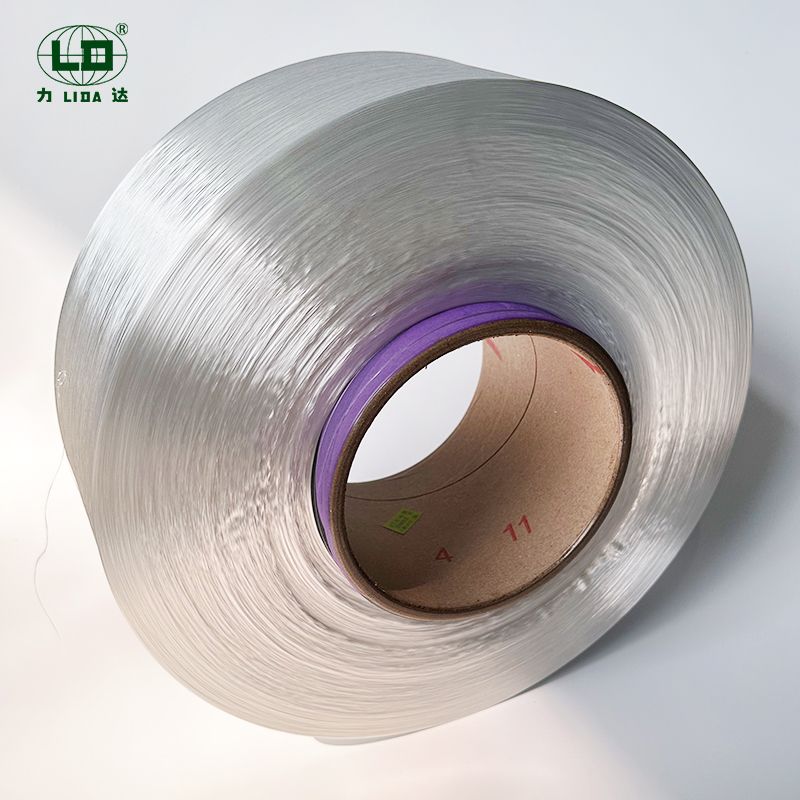
Filament Yarn Nylon 6 is a continuous synthetic fiber made from polycaprolactam through a polymerization process. Unlike staple fibers, filament yarn consists of long, continuous strands, giving it superior strength, uniformity, and smoothness.
Nylon 6 filament yarn is widely recognized for its balance of performance, cost-efficiency, and adaptability. It can be produced in various forms such as FDY (Fully Drawn Yarn), POY (Partially Oriented Yarn), and DTY (Drawn Textured Yarn), making it suitable for diverse end-use requirements.
Nylon 6 is formed through ring-opening polymerization of caprolactam. This structure allows for:
The production of Filament Yarn Nylon 6 generally includes the following steps:
| Property | Description |
|---|---|
| High Tensile Strength | Suitable for demanding industrial and textile applications |
| Excellent Elasticity | Provides resilience and shape retention |
| Abrasion Resistance | Ideal for high-wear products |
| Superior Dyeability | Achieves vibrant and uniform colors |
| Moisture Absorption | Improves comfort compared to polyester |
| Feature | Nylon 6 | Nylon 66 |
|---|---|---|
| Melting Point | Lower | Higher |
| Dyeability | Excellent | Moderate |
| Cost | More economical | Higher |
| Flexibility | Higher | Lower |
Modern Filament Yarn Nylon 6 production increasingly focuses on sustainability. Recyclable Nylon 6 and bio-based caprolactam technologies are gaining attention due to their lower environmental impact.
Compared to traditional materials, Nylon 6 offers:
LIDA specializes in high-quality Filament Yarn Nylon 6, offering consistent performance, advanced manufacturing processes, and strict quality control standards. With extensive experience in serving global textile and industrial markets, LIDA delivers tailored solutions to meet diverse application needs.
Whether you require standard textile-grade yarns or high-tenacity industrial variants, LIDA ensures reliability, scalability, and technical support throughout the supply chain.
Yes, especially high-tenacity Nylon 6 filament yarn is widely used in industrial and automotive applications.
Nylon 6 offers better elasticity, abrasion resistance, and dyeability compared to polyester.
Yes, Nylon 6 is one of the most recyclable synthetic polymers, supporting sustainable manufacturing.
Textiles, automotive, industrial fabrics, home furnishings, and technical textiles all benefit significantly.
Final Thoughts: Filament Yarn Nylon 6 continues to be a cornerstone material in modern manufacturing due to its adaptability, performance, and sustainability potential. If you are looking for a trusted supplier with proven expertise, LIDA is ready to support your business growth.
👉 For customized solutions, competitive pricing, and technical consultation, contact us today and discover how LIDA can meet your Filament Yarn Nylon 6 requirements.


