

Many buyers are interested in Recycled Yarn, but they often face the same questions before placing an order: Will the yarn be consistent from batch to batch? Can it meet performance needs? Is the supply stable enough for long-term production? And can it support a better product story without creating new sourcing risks? This article explores how Recycled Yarn addresses these concerns in practical terms. It explains what buyers should look for, where common problems appear, how to compare options, and why working with an experienced manufacturer matters. We also show how Changshu Polyester Co., Ltd. can help textile businesses move from uncertainty to dependable material selection with solutions designed around quality, application, and ongoing cooperation.
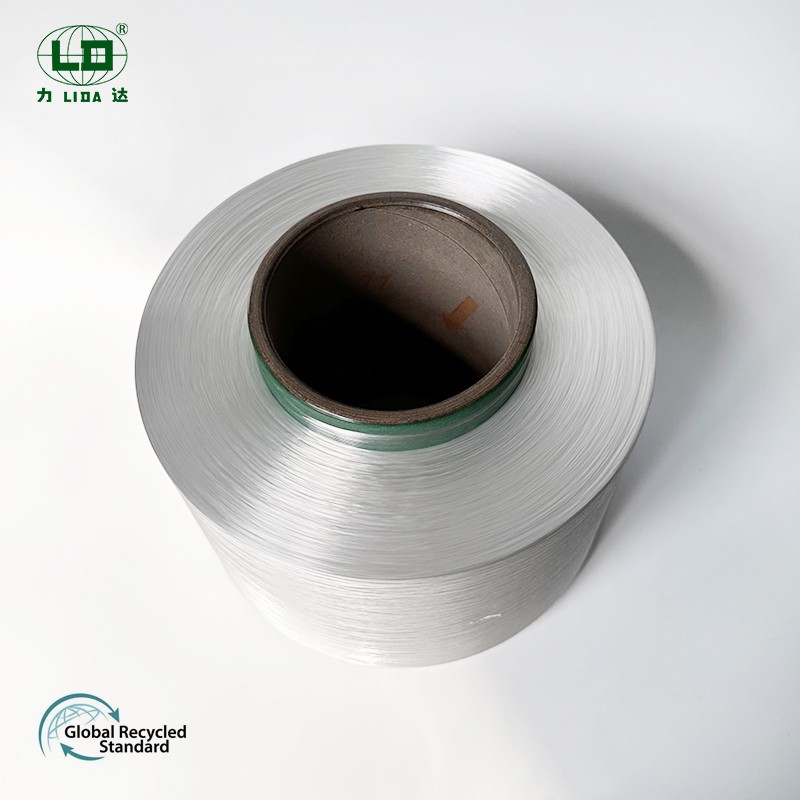
The textile market has changed. Buyers are no longer choosing yarn based only on price or basic availability. They are also thinking about product positioning, supply continuity, manufacturing efficiency, and how raw materials affect downstream brand value. In that context, Recycled Yarn has become much more than an alternative material. It is now a strategic option for companies that want to improve product development without ignoring cost and performance.
A good yarn decision needs to work on the factory floor, in the finished product, and in the customer conversation. That is why more buyers are turning their attention to recycled content. Whether the end use is apparel, home textiles, industrial fabrics, bags, accessories, or functional materials, the right yarn can help reduce waste pressure while still supporting appearance, strength, dyeing performance, and process stability.
For buyers, the real attraction is not just the word “recycled.” It is the possibility of getting a material that feels commercially realistic. When a supplier understands this balance, Recycled Yarn becomes a workable business choice rather than a symbolic one.
Let’s be honest. Buyers rarely reject a new material because they dislike the concept. They reject it because they fear hidden trouble. With Recycled Yarn, the most common concerns are practical and immediate.
These are not small concerns. A poor yarn choice can increase machine stoppage, create weaving or knitting defects, weaken finished goods, or trigger complaints later in the sales cycle. That is why buyers need substance, not vague promises.
The strongest suppliers understand that customer pain is usually about risk control. Buyers want proof that the yarn will arrive on time, run smoothly, and support their product goals. Once those concerns are addressed clearly, decision-making becomes much easier.
A well-made Recycled Yarn can answer many of the worries above when production control is handled properly. The value shows up in several areas at once.
| Buyer Concern | How the Right Recycled Yarn Helps |
|---|---|
| Inconsistent quality | Stable spinning and quality control can improve uniformity and reduce batch variation. |
| Performance uncertainty | Application-based yarn selection helps match denier, strength, and handling needs more accurately. |
| Supply risk | An experienced manufacturer can offer more reliable production planning and communication. |
| Product differentiation | Recycled content supports stronger market positioning and clearer storytelling to customers. |
| Cost efficiency over time | Better process performance can reduce waste, rework, and sourcing friction. |
One of the biggest misconceptions is that recycled material automatically means compromise. In reality, the outcome depends on raw material management, production technology, testing discipline, and the supplier’s understanding of end-use requirements. When these parts work together, Recycled Yarn can offer a balanced mix of function, consistency, and market relevance.
This matters especially for buyers serving brands that want more responsible product lines without sacrificing customer satisfaction. A yarn that performs reliably while supporting a better material story creates value on both the technical side and the commercial side.
Choosing the right supplier is not about who says the most. It is about who answers the most important questions clearly. Before placing a trial order, buyers should compare options with a practical framework.
A strong supplier should help you understand not only what the yarn is, but where it works best. That kind of guidance saves time and reduces expensive trial-and-error during product development.
Buyers also benefit from asking one simple but powerful question: “If my fabric mill or converter has a processing issue, how quickly can you respond with technical support?” This often reveals whether a supplier is merely selling a product or supporting a partnership.
The usefulness of Recycled Yarn depends on selecting the right type for the right purpose. Different products demand different properties, and buyers should think in application terms rather than broad labels.
| Application Area | What Buyers Usually Need | Why Recycled Yarn Can Fit |
|---|---|---|
| Apparel fabrics | Comfort, appearance, dye consistency | Supports commercial styling with added material value. |
| Home textiles | Durability, softness, visual stability | Can help combine practical use with a more appealing product message. |
| Bags and accessories | Strength, abrasion resistance, visual quality | Suitable for products where durability and sourcing story both matter. |
| Industrial and functional textiles | Controlled performance and process stability | The right specification can support technical use while reducing material hesitation. |
This is where supplier experience becomes critical. Not every yarn suits every application. The most helpful manufacturers guide buyers toward realistic matching rather than pushing a one-size-fits-all sales line.
Price matters, of course. But buyers who focus only on unit cost often discover later that hidden sourcing costs are much more painful. Delayed shipments, unstable quality, excessive communication time, repeated sample revisions, and inconsistent bulk production all create losses that do not appear on the first quotation sheet.
That is why a capable manufacturing partner makes a real difference. Changshu Polyester Co., Ltd. understands that textile buyers need more than a product list. They need responsiveness, clear specifications, dependable production support, and cooperation built around actual end-use requirements. When buyers work with a supplier that treats yarn selection as a shared project rather than a quick transaction, the result is usually smoother development and better repeat business.
A supplier worth working with should be able to discuss yarn features, production suitability, order planning, and customization in a way that reduces buyer uncertainty. For many businesses, that confidence is just as important as the yarn itself.
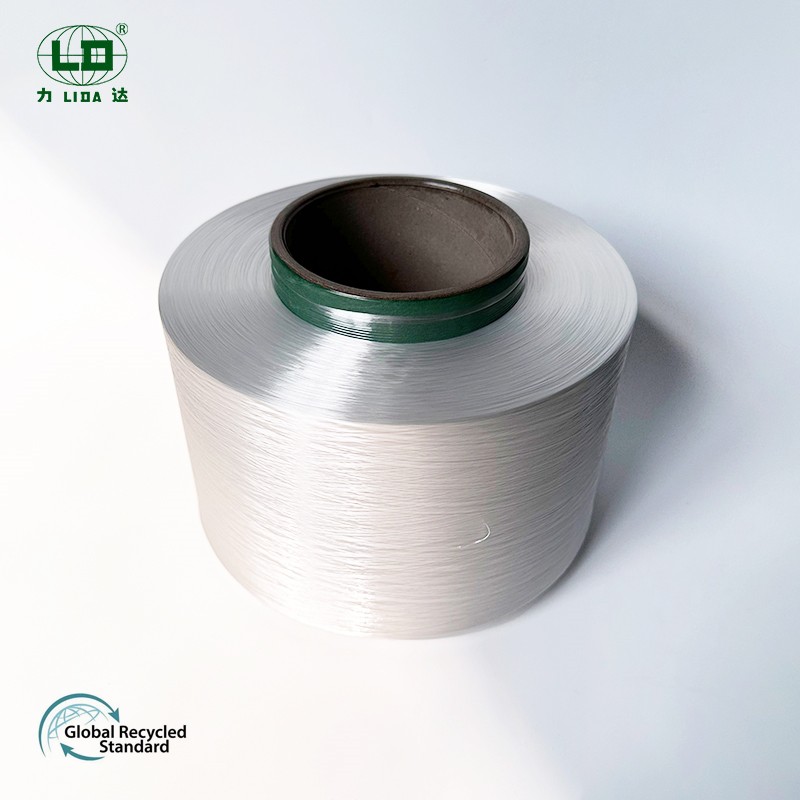
If you are evaluating Recycled Yarn for a current or future project, use the checklist below to make your selection process more efficient:
This simple approach helps buyers avoid vague decision-making. It turns yarn sourcing into a structured process with fewer surprises and stronger long-term results.
Recycled Yarn is gaining attention for a reason. It gives textile buyers a way to respond to changing market expectations while still focusing on quality, usability, and sourcing confidence. The best results come when buyers move beyond surface-level claims and evaluate yarn through the lens of performance, consistency, and supplier support.
If your business is looking for a smarter yarn solution that can support product development, improve sourcing confidence, and strengthen your market offer, this is the right time to explore the possibilities. Changshu Polyester Co., Ltd. is ready to help you identify the right yarn option for your application, discuss your detailed requirements, and support your next order with practical service and dependable cooperation. Contact us today to start your inquiry and discover how the right recycled yarn solution can create real value for your business.
1. What is Recycled Yarn usually made from?
Recycled Yarn is commonly produced from recovered materials that are reprocessed into usable textile fibers or filaments. The exact source can vary depending on the product type and manufacturing route.
2. Is Recycled Yarn suitable for high-volume production?
Yes, it can be suitable for high-volume production when the supplier has stable raw material management, reliable manufacturing capability, and strong quality control procedures.
3. Will Recycled Yarn affect finished product quality?
Product quality depends on matching the right yarn specification to the right application. When selected properly, recycled yarn can support attractive and reliable finished products.
4. What should buyers ask before placing an order?
Buyers should ask about specification options, consistency, sample support, suitable applications, lead time, customization, and repeat-order stability.
5. Why is supplier communication so important when buying Recycled Yarn?
Because yarn sourcing often involves technical details and processing requirements. Fast and clear communication helps reduce risk, avoid misunderstandings, and improve order efficiency.


